
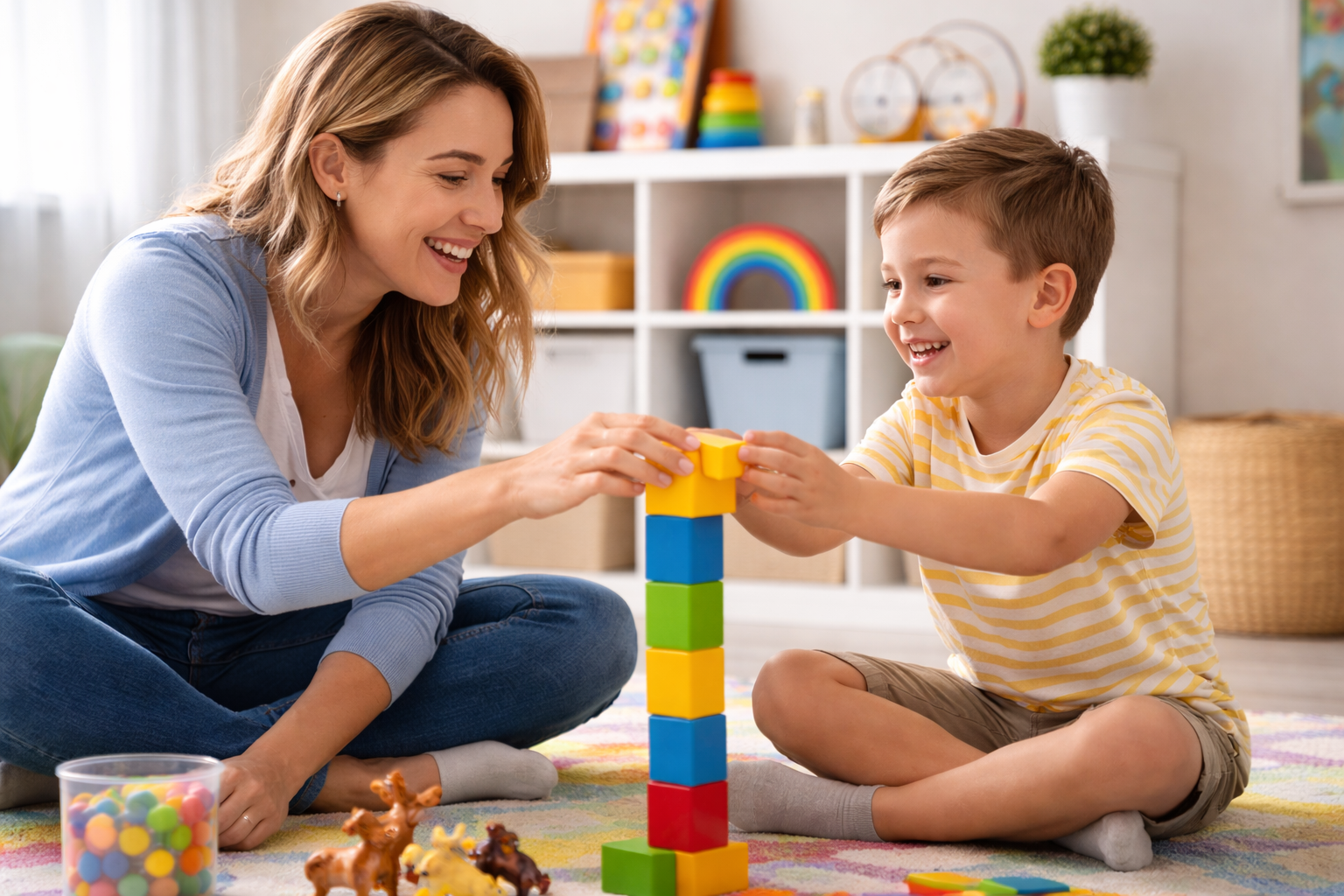
ABA therapy does not have to feel rigid or disconnected from real life. Many families are starting to see better results when learning feels natural and engaging instead of repetitive. Timestamps Support Services takes that approach and turns everyday moments into real opportunities for growth.
Play-based strategies are changing how behavior is shaped, how skills develop, and how confidence builds over time. Our ABA therapy in St. Augustine, FL, helps families see how these changes carry over into daily routines, not just therapy sessions. Progress feels more meaningful because it shows up where it matters most.
Read on to see how play-based ABA therapy is changing behavior in ways that go beyond expectations.
Key Takeaways
- Play-based ABA therapy helps kids learn faster because it feels natural rather than forced.
- Real progress shows up at home when skills connect to everyday life.
- Small shifts in how behavior is taught can lead to big changes in confidence and independence.
Frustration Becomes A Skill Instead Of A Barrier
Frustration often stops progress during ABA therapy when tasks feel too hard. Play-based ABA changes that by turning small challenges into safe learning moments. Games help children stay engaged while they practice working through mistakes without feeling overwhelmed.
Therapists use these play moments to guide calmer reactions and steady responses. Kids begin to pause, try again, and stay involved instead of shutting down. That shift carries over into everyday life, helping them handle routines and challenges with more confidence.
Motivation Comes From The Activity, Not Just Rewards
External rewards can lose their effect when they become expected every time. Play creates a setting where the activity itself feels exciting and worth the effort. Children begin to join in because they enjoy what is happening, which builds a more natural sense of motivation.
Our ABA therapy in St. Augustine, FL, focuses on activities that keep kids interested without relying on constant rewards. Each session is designed to hold attention and make learning feel enjoyable. Consistent engagement helps improve focus and leads to better follow-through in daily routines.
Social Skills Develop In Real Time, Not Scripts
Real conversations move quickly and rarely give kids time to plan each response. Interactive games create those same fast moments in a way that feels safe and engaging. Children begin to notice tone, facial expressions, and timing as they respond on the spot.
Hands-on activities create natural back-and-forth exchanges that build real understanding. Kids adjust what they say and how they act based on what happens in the moment. This kind of learning helps social skills feel more natural and easier to use in daily life.
Contact Us To Learn More About ABA Therapy in St. Augustine, FL
Real progress happens when learning feels natural and connects to everyday life, not just structured sessions. Timestamps Support Services helps children build skills that carry over into real moments, where confidence and independence actually matter. Families who embrace this approach often see changes that feel lasting, not temporary.
Frequently Asked Questions
How does play-based ABA therapy improve behavior faster?
Play-based ABA therapy keeps kids engaged, which leads to more consistent participation and quicker learning. Skills are practiced in ways that feel natural, so children are more likely to use them outside of sessions.
What skills can children build through play-based ABA therapy?
Children can develop communication, social awareness, and daily living skills through structured play. These skills are taught in real-life contexts, which helps them stick and show up in everyday routines.
How do caregivers support progress outside of ABA therapy sessions?
Caregivers reinforce the same strategies used during therapy in daily interactions. Consistency between home and therapy helps behaviors improve and makes progress feel more stable over time.